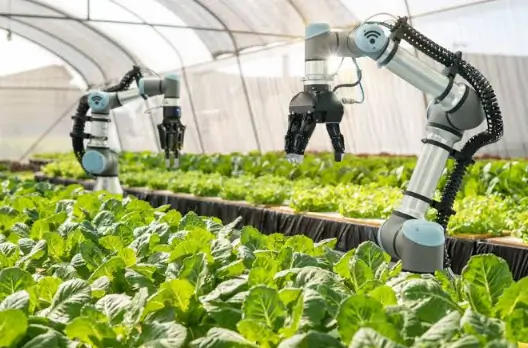
Technology is reshaping agriculture through automated harvesters, precision sensors, and AI analytics. Data from soil, weather, and crop health informs nutrient and water management, reducing waste and boosting yields. Robotics enable real-time field operations and scalable automation, while data governance ensures quality and security. Interoperable tools and citizen science expand field networks, driving resilient, sustainable systems. The next step lies in translating these gains into widespread adoption and measurable, practice-level outcomes.
What Tech Is Fueling Modern Agriculture
Advancements in technology are reshaping modern agriculture by enhancing efficiency, yield, and sustainability. Automated harvesters, precision sensors, and AI-driven analytics optimize input use and timeliness. Data from soil health sensors informs decisions, reducing waste while boosting productivity. Citizen science initiatives expand field data networks, accelerating adoption. The focus remains scalable, interoperable tools that empower growers toward autonomous, resilient operations.
How Data Turns Fields Into Insight
Data converts field observations into actionable insights through structured collection, integration, and analysis of diverse datasets. The approach emphasizes data governance to ensure quality, lineage, and security across operations. Soil analytics informs nutrient strategies, while crop modeling simulates outcomes under varying inputs. Climate forecasting guides adaptive plans, enabling proactive decisions that optimize yields, resource use, and profitability with disciplined, data-driven rigor.
From Tools to Practices: Precision, Robotics, and AI in the Field
From tools to practice, precision agriculture integrates targeted inputs, robotics, and AI-driven decision support into field operations. Modern systems enable real-time sensing, variable-rate applications, and predictive maintenance, reducing waste and expense.
Operators adopt autonomous harvests and scalable automation, expanding coverage with minimal human labor. The focus remains on measurable gains: yield stability, resource efficiency, and data-backed, actionable field insights for broader adoption.
Building Resilient, Sustainable Food Systems With Technology
Technology-enabled platforms and resilient design converge to secure food systems against climatic, economic, and supply-chain shocks. The approach emphasizes traceable, scalable solutions that optimize inputs and outputs through data-driven decisioning. Focus areas include soil health monitoring, water stewardship, and integrated nutrient management. Adoption accelerates collaboration among growers, suppliers, and policy makers, building durable, low-risk, commercially viable agricultural ecosystems.
Frequently Asked Questions
How Affordable Is Agri-Tech for Smallholders?
The answer indicates mixed affordability for smallholders. Affordable access hinges on subsidized devices, shared services, and scalable financing; smallholder markets benefit when costs fall, enabling rapid adoption, though regional disparities persist and long-term maintenance remains essential.
What Are Data Privacy Concerns With Farm Sensors?
Data privacy concerns with farm sensors center on data ownership and sensor encryption. Stakeholders emphasize clear ownership terms, secure data transmission, access controls, and transparent data use policies to protect growers, suppliers, and researchers who demand freedom and accountability.
Can Farmers Rely on Autonomous Machinery in Rough Terrain?
Can farmers rely on autonomous machinery in rough terrain? Sensors and rugged models support autonomous navigation, though performance varies with terrain. When assessing rugged terrain feasibility, operators note traction limits, sensor occlusion, and field conditions impacting reliability and safety.
How Do Regulations Affect Agricultural Technology Adoption?
Regulatory hurdles shape agricultural technology adoption by imposing compliance costs and procedural delays; policy incentives can counteract barriers, accelerating technology adoption, while persistent adoption barriers persist where standards are unclear, risking uneven implementation and market fragmentation.
See also: yirafire
What Skills Are Needed to Manage Tech-Heavy Farms?
Precision-minded managers must master multi-disciplinary skills: skills management, data analytics, agronomy, robotics, and cybersecurity. They analyze sensors and simulations, optimize operations, ensure compliance, and drive decision-making, delivering data-driven, industry-focused outcomes for tech-heavy farms seeking operational freedom.
Conclusion
Technology-enabled insights and automated systems are now integral to field decisions, yet growth remains tied to data quality, governance, and interoperability. Coincidences—sensor networks aligning climate forecasts with nutrient needs, or a harvester deploying precisely where soil health signals peak—underscore the practicality of integrated platforms. As robotics, AI, and citizen-science networks scale, measurable gains in yield, resource use, and resilience validate a data-driven path toward sustainable, scalable food systems across diverse farms and regions.
